AI Shop Front Design: Rebrand Your Storefront First
RYY · 9/7/2026
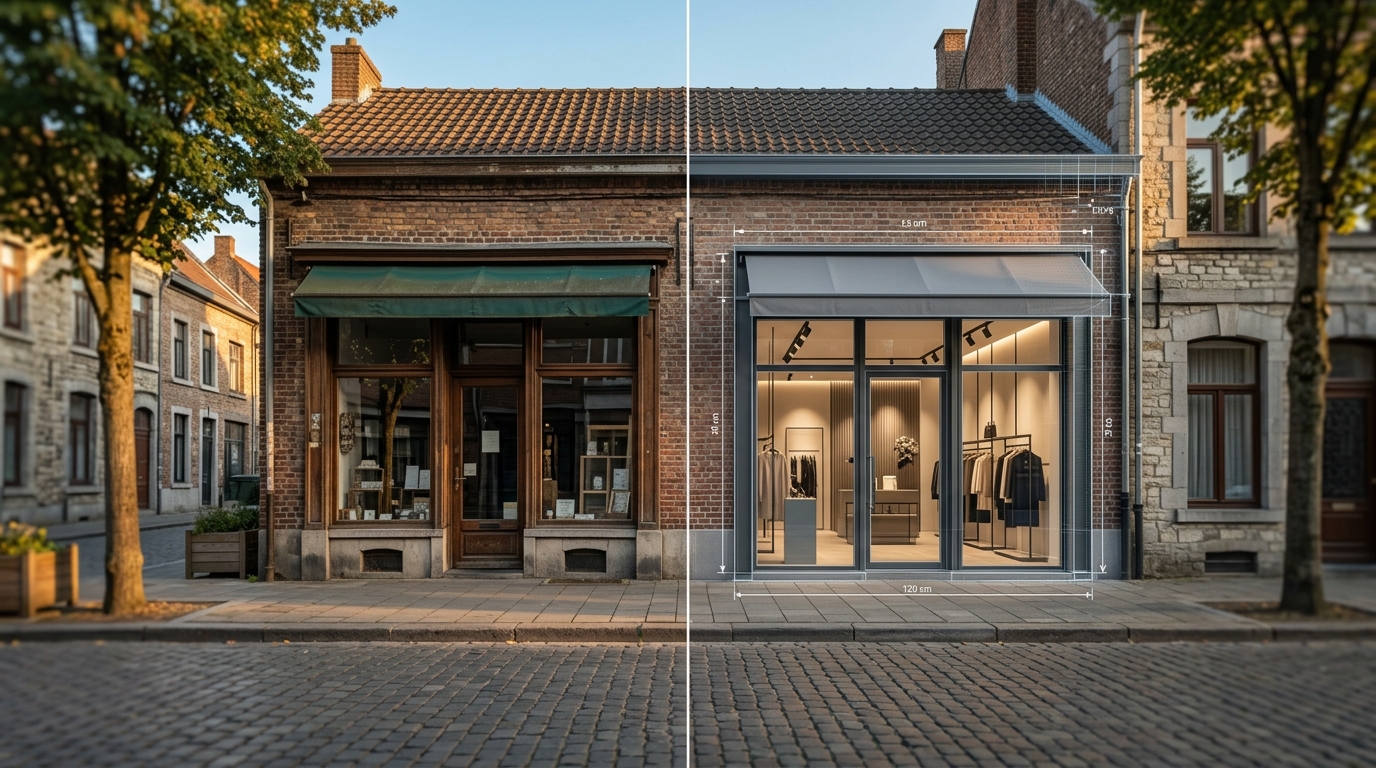
Your storefront is your business's physical handshake. Before a customer ever steps inside your boutique, cafe, or studio, your exterior design has already communicated who you are, what you offer, and whether you are worth their time and money. However, committing to a commercial exterior makeover can feel terrifying. Brick-and-mortar renovations carry high price tags, complex planning permissions, and permanent visual choices. That is where AI shop front design transforms the process, allowing business owners and property creators to instantly visualize, tweak, and perfect their store's brand aesthetic long before hiring a single contractor.
Instead of relying on flat two-dimensional blueprints or spending thousands on traditional architectural renderings, artificial intelligence allows you to generate photorealistic transformations of your existing facade. Whether you want to explore modern minimalist wood paneling, bold industrial steel accents, or charming vintage awnings, AI design tools empower you to test every idea with complete visual clarity.
The Hidden Costs of Storefront Renovations (And How AI Solves Them)
Updating a commercial property exterior is rarely as simple as painting a front door. For independent business owners, boutique chains, and property developers alike, the journey from concept to finished building facade is fraught with costly surprises and creative missteps.
Traditional design processes often require hiring graphic designers, commercial architects, and rendering artists. By the time you receive a set of visual options, weeks have passed and thousands of dollars have been spent. Worse yet, if you realize the selected color scheme or sign height does not match your brand vision, starting over means resetting the clock and opening your wallet again.
Leveraging AI for your exterior storefront rebrand mitigates these risks by providing instant visual feedback. Here is how modern design algorithms save both time and money:
- Instant Concept Testing: Upload a photo of your existing building and generate dozens of distinct aesthetic directions within minutes.
- Better Alignment with Landlords and Historic Boards: Easily present realistic visual proposals to property managers, local councils, or historic preservation committees to secure fast approval.
- Cost Efficiency: Finalize your design choices digitally before purchasing expensive building materials, exterior lighting fixtures, or custom signage.
- Enhanced Contractor Communication: Show builders and sign installers exact photorealistic references rather than trying to explain your ideas verbally.
Key Elements of an Effective AI Shop Front Design
When using artificial intelligence to reimagine your commercial façade, it helps to break your shop front into core architectural components. Prompting your visual tools with these specific details yields far more accurate and inspiring results.
1. Structural Framing and Wall Cladding
The baseline structure of your shop front sets the overall tone for your commercial branding. Modern retail trends favor rich texture mixes: think dark matte steel frames paired with warm vertical timber cladding, or classic white render contrasted with raw exposed brickwork. Experimenting with wall materials in your AI renders helps you establish the right balance between contemporary flair and welcoming warmth.
2. High-Impact Signage and Branding Areas
Your shop front sign must be readable from a distance while seamlessly matching your architectural style. Test various signage styles, such as backlit metal channel letters, hand-painted wooden fascia boards, or minimalist projecting blade signs hanging perpendicular to the sidewalk. Seeing how typography interacts with your building facade under various lighting conditions prevents costly sign installation errors.
3. Fenestration and Entrance Doors
Windows and doors are not just functional; they dictate how light enters your shop and how enticing your interior display looks from the street. Consider testing full-height glass storefront windows for modern retail spaces, archway entrances for artisan bakeries, or classic crittall-style black steel frames for upscale lifestyle spaces.
4. Awnings, Canopies, and Exterior Lighting
Exterior illumination and weather protection add depth and character to your property after dark. Try adding classic retractable canvas awnings, continuous flat metal canopies, or ambient exterior sconces. Downlighting, warm LED strip lighting under fascia boards, and gooseneck barn lights above signage can make your business pop during evening business hours.
5. Street-Level Greenery and Exterior Accents
Never underestimate the psychological power of nature at your entrance. Incorporating planter boxes, built-in wooden bench seating, hanging greenery, or curated potted shrubs around the entryway softens hard architectural edges and makes your store feel instantly inviting.
Step-by-Step: Rebranding Your Storefront with AI Technology
Reimagining your storefront using AI tools does not require advanced technical skills or visual design experience. By following this simple workflow, you can move from a tired, outdated shop front to a striking new visual brand in a single afternoon.
Step 1: Capture a Clear Base Photo
Start by taking a high-resolution, head-on photograph of your current storefront during daylight hours. Ensure the street, sidewalk, full height of the building frame, and surrounding neighboring shops are visible. Avoid capturing large delivery vans or heavy traffic blocking the facade, as a clean image gives the generative AI the best foundation to work from.
Step 2: Define Your Brand Personality
Before prompting your generator, select three to five keywords that encapsulate your brand identity. For instance, an organic coffee shop might choose "Nordic, warm wood, minimalist, lush greenery, matte black accents." A high-end jewelry shop might select "Parisian, marble facade, polished brass, arched windows, elegant." These descriptors form the structural keywords for your visual prompts.
Step 3: Generate and Compare Multiple Aesthetics
Upload your photograph to an intelligent image generator like Reimagine Your Yard. Apply different design presets or write custom prompts to see your building reimagined across various visual themes. Compare a mid-century modern facade against an urban industrial aesthetic to see which style maximizes curb appeal and draws the eye.
Step 4: Refine the Fine Details
Once you identify a winning aesthetic direction, focus on fine-tuning individual elements. Swap out raw oak finishes for dark walnut, experiment with different accent paint colors on window trim, or adjust the size of window glazing. This detail-oriented iteration process ensures your final layout translates seamlessly into a physical construction plan.
Popular Storefront Aesthetics You Can Visualize Today
If you are looking for design inspiration, consider testing one of these top-performing commercial facade styles with our AI design engine:
- Warm Scandinavian Minimalist: Features light oak vertical slatted wood panels, soft white render, large clear glass display windows, and subtle integrated LED lighting. Ideal for cafes, wellness studios, and boutique clothing shops.
- Urban Industrial Chic: Combines distressed dark brickwork, matte black metal window framing, exposed structural beams, and vintage Edison bulb exterior lights. Perfect for craft breweries, barber shops, and fitness centers.
- Classic European Bistro: Showcases deep navy or forest green painted wood framing, polished brass door hardware, a striped canvas awning, and traditional brass wall lanterns. Excellent for bakeries, florists, and wine bars.
- Sleek Contemporary Luxury: Uses polished concrete panels, frameless structural glass, integrated bronze trim, and subtle flush door handles. Suited for luxury tech showrooms, upscale real estate offices, and high-end beauty salons.
Practical Tips for Turning Your AI Concept Into Reality
A photorealistic rendering is an exciting first step, but bridging the gap between digital concepts and physical construction requires careful planning. Here are practical tips to ensure a smooth transition from screen to street:
- Check Local Zoning and Signage Codes: Before buying materials based on your AI design, verify local rules regarding maximum sign dimensions, projecting sign clearances, awning extensions, and historic district color palettes.
- Consult with a Local General Contractor: Share your generated rendering with experienced commercial builders. They can help you select cost-effective materials that mimic the visual look of your rendering while staying within your budget.
- Prioritize Durability and Maintenance: Outdoor environments are harsh. Choose commercial-grade weather-resistant materials, UV-stable exterior paints, and low-maintenance cladding finishes that keep your new storefront looking pristine year after year.
- Coordinate Interior and Exterior Flow: Ensure the materials, lighting warmth, and color choices used on your exterior facade naturally extend into your shop interior for a cohesive customer journey.
Visualize Your New Commercial Facade Today
Upgrading your store’s curb appeal is one of the most effective investments you can make to increase foot traffic, elevate your brand authority, and grow your sales. By embracing AI shop front design, you eliminate the guesswork, save thousands on pre-construction planning, and gain absolute confidence in your creative vision before making permanent structural changes.
Ready to transform your retail presence or property exterior? Explore the free, intuitive design tools at Reimagine Your Yard today. Simply upload a picture of your building, experiment with stunning architectural styles, and create the commercial storefront of your dreams in seconds.