
AI Garden Border Design: Ideas, Tips & Inspiration
RYY · 9/15/2026
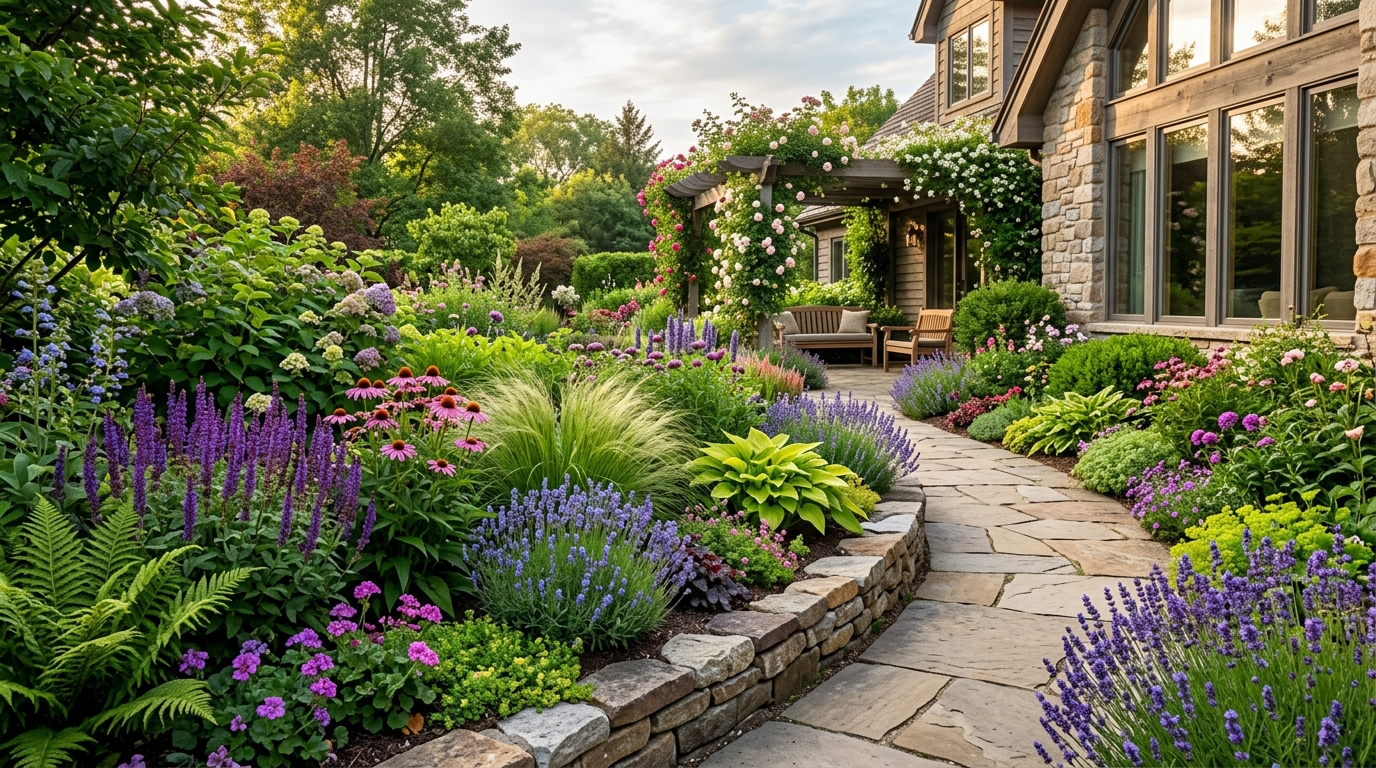
Designing a lush, well-balanced garden border is one of the most rewarding parts of landscaping, yet it often presents a frustrating challenge for homeowners. Selecting the right combination of heights, textures, and bloom times requires foresight, and traditional hand sketches rarely do justice to your vision. Fortunately, modern technology has simplified this process. Utilizing AI garden border design allows you to instantly visualize plant placements, border shapes, and structural elements on a photo of your actual yard before spending a dime at the nursery.
Whether you dream of a sweeping, romantic English cottage layout or a crisp, modern minimalist flowerbed, AI design tools help bridge the gap between imagination and reality. In this guide, we will explore creative border ideas, essential horticultural layering tips, and how you can use powerful online visualization tools to transform your outdoor living space with confidence.
What is AI Garden Border Design and How Does It Work?
Traditionally, designing a garden border involved reading plant tags, drawing rough grid diagrams, and hoping that tall delphiniums wouldn’t accidentally overwhelm your delicate ground cover. AI-powered landscape design changes this approach by using advanced computer vision and generative styling to render photorealistic plant combinations directly onto your yard's photos.
From Static Diagrams to Dynamic AI Visuals
With digital tools like our Design Studio, you simply upload a clear photo of your lawn or existing garden bed. The AI analyzes the scene—accounting for structural boundaries, fences, pathways, and lawn space—and generates tailored landscaping concepts. Instead of trying to imagine how purple salvia contrasts with golden chartreuse foliage, you can view high-definition concepts rendered directly in place.
Balancing Layering, Texture, and Color Palettes
Successful garden border design relies on depth and rhythm. AI tools help you experiment with different design archetypes, showing you how varied plant heights work together seamlessly. You can test rich jewel-toned floral palettes, calming monochromatic green borders, or bold architectural foliage layouts instantly, making it far easier to choose a cohesive theme for your home.
Top Creative Border Styles to Explore with AI
Before launching your visual generator, it helps to narrow down the aesthetic that best complements your home’s exterior architecture. Here are three popular border styles you can test using AI generation.
1. The Layered English Cottage Border
Characterized by informal drift planting, soft edges, and continuous blooms, the cottage garden border creates a romantic, relaxed atmosphere. Key features include:
- Back Layer: Tall, upright plants like foxgloves, hollyhocks, and ornamental grasses.
- Middle Layer: Bushy perennials such as coneflowers, lavender, nepeta (catmint), and peonies.
- Front Layer: Low-growing ground covers like creeping thyme, hardy geraniums, and alchemilla mollis (lady's mantle).
Using AI layout tools, you can visualize how these informal layers spill gracefully over stone edging without looking messy or overgrown.
2. Modern Minimalist & Architectural Borders
If your property features clean architectural lines, a contemporary border provides striking visual discipline. Modern borders prioritize structure and foliage texture over high-maintenance floral diversity. Recommended elements include:
- Evergreen boxwood spheres or topiary forms for year-round geometry.
- Mass plantings of singular ornamental grasses like Feather Reed Grass (Karl Foerster).
- Restrained color palettes featuring slate blues, deep greens, and crisp white blooms.
3. Low-Maintenance Wildlife & Pollinator Borders
For eco-conscious gardeners seeking low-water solutions, native pollinator borders offer vibrant seasonal color while supporting local bees, butterflies, and birds. Visualizing native perennial borders with AI helps ensure your drought-tolerant plant choices maintain structural beauty even during winter months when seedheads dry out.
How to Design Your Garden Borders Step-by-Step
Planning your dream border is simple when you combine strategic landscaping principles with virtual visualizers. Follow this step-by-step process to plan your outdoor transformation.
Step 1: Capture High-Quality Photos of Your Space
Take a clear photograph of your target yard area during daylight hours. Ensure the ground where the border will be placed is fully visible. Clear away stray tools or lawn chairs so the AI engine can accurately identify ground surfaces and backdrop walls.
Step 2: Generate Concepts in Design Studio
Head to the Design Studio on Reimagine Your Yard and select the Landscape option. Upload your photograph and specify your aesthetic preferences—such as "lush cottage border" or "contemporary gravel garden border." The AI engine renders complete landscape ideas, showing you creative ways to carve out lawn space, reshape bed edges, and group complementary greenery.
Step 3: Add Specific Hardscape and Pots with Product Visualiser
A garden border isn't made of plants alone; container focal points, decorative edging stones, and garden pots complete the scene. When you want to preview a specific physical item—such as a concrete glazed planter or terracotta urn placed along your new flowerbed—use our Product Visualiser. By uploading a photo of your garden space alongside a photo of a specific decor product, you can see how individual accents sit within your visual layout.
Step 4: Preview Depth with 3D Preview Options
Once you are happy with a concept, use our limited-depth Free 3D Preview to inspect spatial layers and scale from a dynamic angle. For those ready to step directly into their dream yard, an interactive, complete 3D walkthrough is available for 5 credits (available to users who have completed a previous credit purchase). Walkthroughs offer an immersive, full-scale look at your future outdoor sanctuary before ground is broken.
Practical Layout and Planting Tips for Success
While an AI garden border design provides the ultimate visual blueprint, applying fundamental gardening principles ensures your physical installation thrives for years to come.
- Follow the Rule of Heights: Place the tallest plants at the rear (against a wall or fence) or in the center (for island beds viewed from all sides). Step down down to mid-sized perennials, ending with low ground cover along the front edge.
- Plant in Odd-Numbered Drift Groups: Planting in groups of three, five, or seven creates natural, sweeping drifts rather than rigid, artificial lines.
- Account for Mature Plant Widths: Young nursery plants look small when first installed. Refer to plant spacing recommendations so your borders don't become overcrowded within two seasons.
- Define Sharp Bed Edges: A clean edge separates lawn turf from garden soil, giving even the most untamed cottage planting a neat, professional appearance. Consider spade-cut trench edging, metal landscape edging, or laid cobbles.
- Prepare the Soil First: Organic compost, leaf mold, and proper drainage testing ensure your soil is rich enough to support deep root networks from day one.
Start Visualizing Your Dream Garden Today
Transforming a bland lawn edge into a blooming, multi-dimensional garden border no longer requires guesswork or costly trial-and-error planting. By combining proven horticultural principles with cutting-edge visual tools, you can experiment with colors, textures, and structural layouts until you find the perfect match for your home.
Ready to bring your yard to life? Sign up for a free account at reimagineyouryard.com to receive limited free signup credits. Explore the Design Studio landscape generator, experiment with our Product Visualiser, and discover how effortless AI garden border design can be!