
AI Garden Border Design: Creative Ideas & Planning Tips
RYY · 9/22/2026
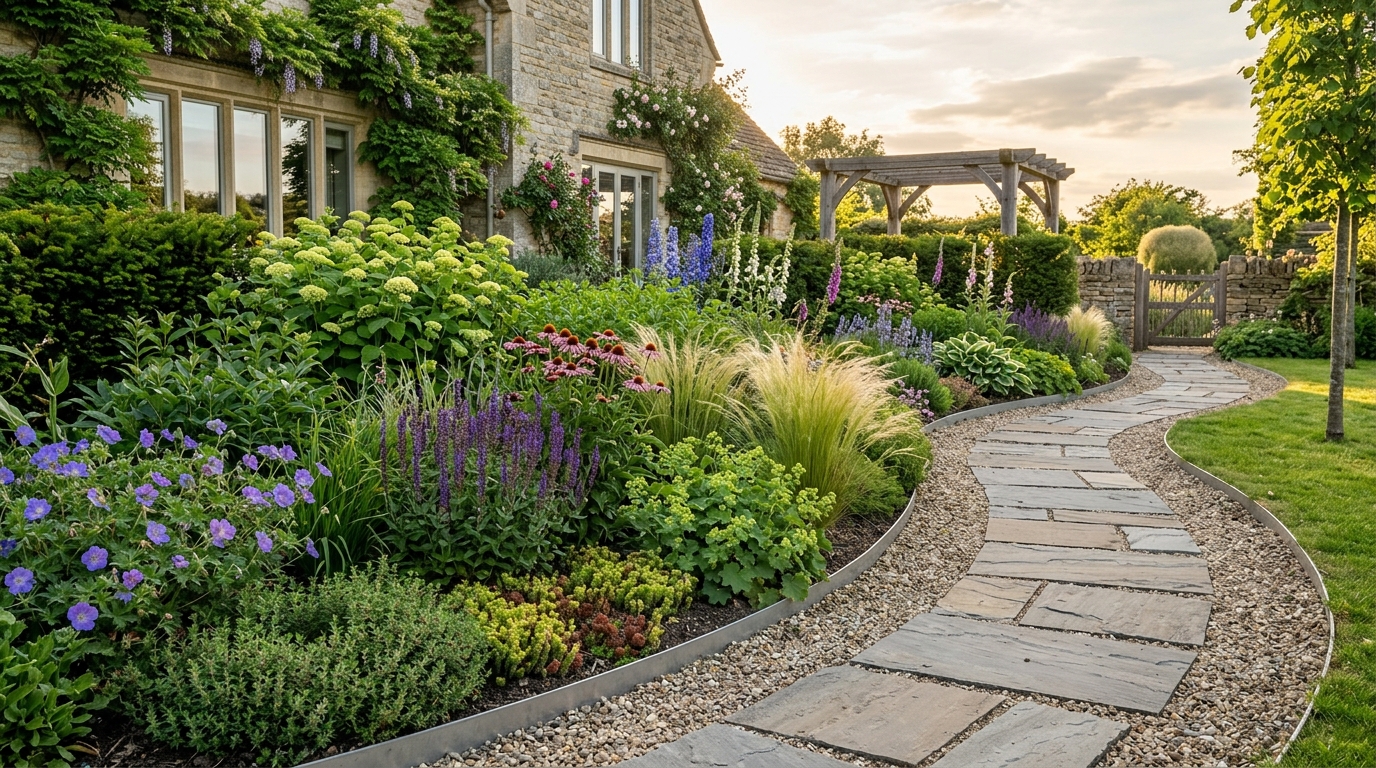
Garden borders are the defining frame of any beautiful outdoor space. Whether you are aiming to build crisp boundaries between a lush lawn and a flowerbed or seeking to create multi-layered botanical displays along a fence line, well-planned borders instantly elevate your landscaping. However, planning garden borders traditionally involves a lot of guesswork. Will that tall ornamental grass overpower the delicate perennials next to it? How will red brick pavers look against dark wood mulch? With modern AI garden border design technology, you no longer have to rely solely on imagination or rough sketches. Using visualization tools from reimagineyouryard.com, you can render realistic garden concepts, test various edging materials, and refine your plant arrangements in minutes before spending time or money at the nursery.
What Makes an Exceptional Garden Border? Key Design Principles
Before jumping into digital visualizers, it helps to understand the foundational principles of garden border planning. A well-designed border balances structure, plant texture, and seasonal interest to keep your yard looking vibrant across every month of the year.
Layering Heights and Textures
A common mistake in border design is placing plants of similar heights directly beside one another, which produces a flat, chaotic visual effect. Successful garden borders utilize a layered approach. Position tall shrubs, climbing vines, or high ornamental grasses against back walls, fences, or property lines. Place medium-height perennials, such as lavender, coneflowers, or structured boxwoods, in the middle zone. Finally, anchor the front edge with low-growing groundcovers, spillers, or dwarf plant varieties like creeping thyme and sweet alyssum. Combining fine foliage with broad leaves creates an eye-catching contrast that draws the eye down the length of the garden bed.
Choosing the Right Edging Materials
The physical border material frames your planting bed and prevents lawn grass from invading your soil. Classic options include natural cut stone, stacked brick, fieldstone, poured concrete coping, or sleek metal strip edging. Natural stone and weathered brick offer a timeless, organic look suitable for traditional or rustic homes. Meanwhile, black steel or crisp concrete edging delivers a sharp, minimalist outline ideal for modern architecture. Selecting an edging style that complements your house exterior creates a cohesive look across your entire property.
Color Palettes and Seasonal Interest
A deliberate color theme unifies your landscape. You might select a cool palette featuring purples, blues, and silver foliage for a serene atmosphere, or opt for energetic reds, warm oranges, and bright yellows in sunny patio areas. Furthermore, factor in how your border will look as the seasons change. Pair early spring bulbs with summer-blooming perennials, striking autumn foliage, and evergreen shrubs that maintain architectural shape throughout the winter months.
Creative Ideas for Garden Borders
When generating visual ideas for your yard, experimenting with distinct landscape styles allows you to discover the layout that best suits your home layout and maintenance preferences.
Lush Cottage Garden Borders
Cottage garden borders thrive on dense, informal plantings filled with rich textures and romantic blooms. Picture tall delphiniums, foxgloves, roses, and aromatic herbs packed close together along curved stone pathways. When planning a cottage garden look, focus on soft, overflowing edges where low-growing flowers spill gently onto pavers or gravel pathways.
Sleek Modern Architectural Edging
If your property features minimalist lines and modern building materials, a contemporary border provides a clean finish. Modern borders emphasize geometric lines, restrained color palettes, and defined edging like dark metal strips or concrete borders. Plantings are often arranged in repeating patterns or structured blocks, utilizing ornamental grasses, tailored hedges, or striking architectural plants like yucca and agave.
Low-Maintenance Native Plant Borders
Native plant borders are environmentally friendly and remarkably easy to maintain once established. Combining native drought-tolerant flowers with gravel mulch and natural boulder edging supports local pollinators while reducing water usage. Exploring native plant combinations helps you build a resilient garden border that looks naturally integrated into your regional environment.
Elevated Stone and Raised Bed Borders
For sloped yards or formal garden zones, raised borders built from stone retaining wall blocks or timber sleepers add physical height and depth. Raised garden beds make maintenance easier on your back while offering superior soil drainage for tender plant roots.
How to Use AI Garden Border Design Tools
Visualizing your dream landscape before pickaxes and shovels hit the dirt saves both time and budget. Reimagine Your Yard offers accessible visual toolsets to help you experiment with layout styles and materials with confidence.
Planning Concepts with Design Studio
The Design Studio is your primary workspace for transforming landscape ideas into clear visuals. By uploading a photo of your current yard and selecting the Landscape option inside Design Studio, you can generate fresh border concepts across various landscape themes. Whether you want to explore a Mediterranean gravel margin, a formal boxwood edge, or a flower-packed garden bed, the tool allows you to experiment with overall bed shapes, plant densities, and visual aesthetics. Free signup credits are limited, providing a great way to try out your initial ideas before choosing additional credit options for larger design projects.
Testing Specific Elements with Product Visualiser
When you have established a general style direction, testing exact hardscape elements is essential. The Product Visualiser tool lets you upload a photograph of your yard alongside a photo of a specific physical product, such as a concrete edging block, natural cobblestone, a planter, or landscape lighting fixture. The tool renders the product directly into your space photograph, allowing you to preview how individual products look in your actual setting. While it does not calculate exact product measurements, it gives you a realistic impression of color and design scale.
Exploring Depth with Previews and Walkthroughs
Understanding spatial layout is critical when working with layered plantings and hardscapes. Reimagine Your Yard includes a Free 3D Preview option that provides a quick, limited depth preview of your generated concepts, helping you judge bed depth and height ratios. For a more comprehensive look at your prospective garden layout, you can generate a True 3D Walkthrough. True 3D Walkthroughs cost 5 credits and require a previous credit purchase, delivering an immersive visual movement sequence that gives you a genuine sense of flow through your updated garden space.
Practical Tips for Translating AI Designs into Reality
Once you generate an AI garden border design that aligns with your property, follow these actionable steps to turn your digital visual into a real-world garden bed:
- Measure Bed Dimensions Manually: AI visual tools offer creative design concepts, but you should always measure your physical lawn space directly before purchasing plants or edging materials.
- Assess Sunlight and Soil: Select plants inspired by your visual model that fit your local climate hardiness zone, available direct sunlight, and soil drainage conditions.
- Mark Curves with a Garden Hose: Lay out a flexible garden hose on your turf to trace smooth border curves based on your generated concepts before cutting lawn edges.
- Dig Proper Edging Trenches: Cut a neat trench 4 to 6 inches deep between your turf grass and plant beds to prevent aggressive grass roots from growing into your border.
- Apply Organic Mulch: Spread a 2 to 3-inch layer of bark mulch or decorative stone over the finished soil to suppress weed growth, retain ground moisture, and deliver a clean polished look.
Start Designing Your Ideal Garden Borders Today
Creating beautiful, functional garden borders no longer requires manual sketching or expensive trial and error. By applying smart landscape layering rules alongside modern AI garden border design tools, you can discover ideal plant combinations, test hardscape edges, and plan outdoor spaces with complete confidence. Whether you prefer romantic cottage floral margins or clean architectural borders, digital visualization helps you see the potential in your yard before taking the first shovel drop. Ready to transform your outdoor space? Visit reimagineyouryard.com today and start bringing your landscape vision to life.