
AI Dining Room Design: Ideas for Every Style & Space
RYY · 8/27/2026
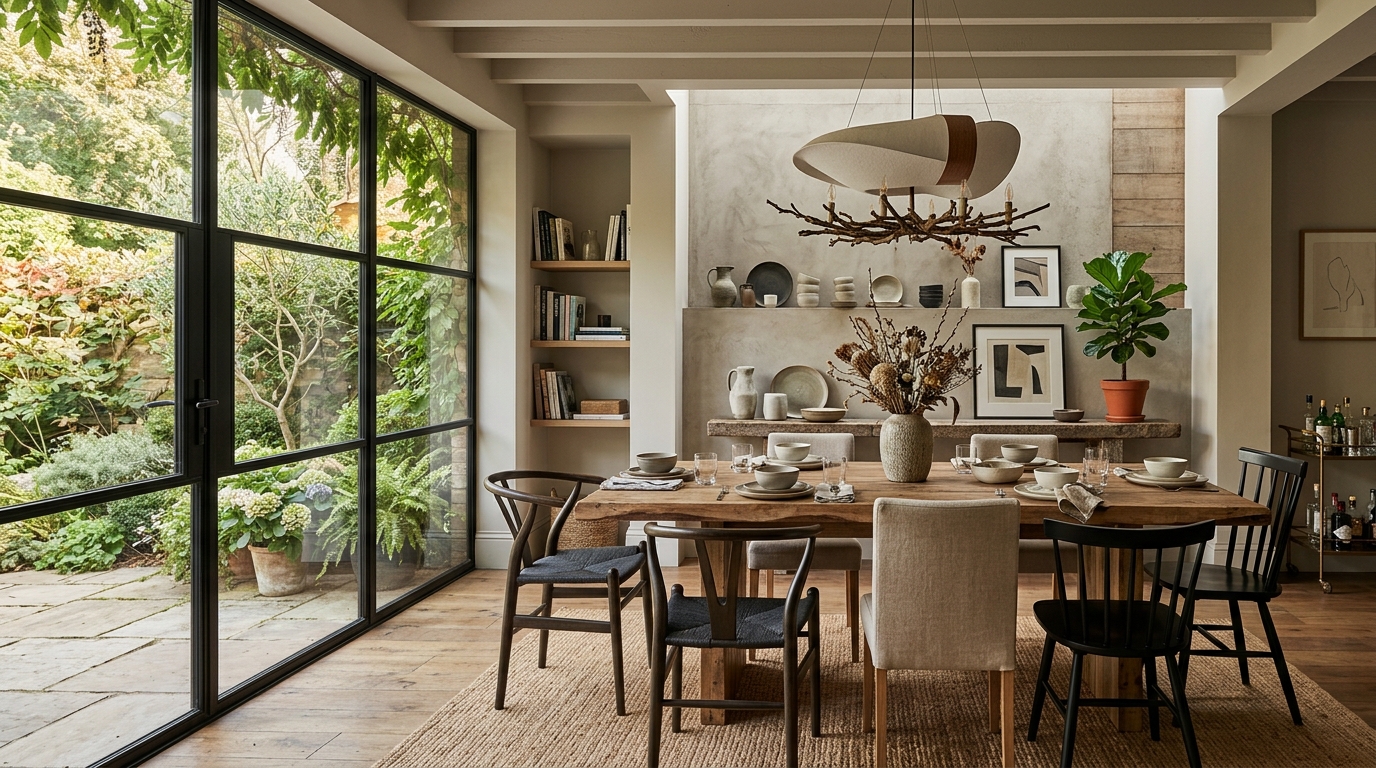
The dining room is the heart of home entertainment, family gatherings, and everyday meals. Yet, planning a remodel or quick decorative refresh can feel overwhelming when faced with thousands of paint swatches, furniture choices, and layout options. If you are ready to transform your eating area, leveraging AI dining room design tools can bridge the gap between imagination and reality. By simply uploading a photo of your existing space, artificial intelligence allows you to experiment with colors, textures, furniture styles, and spatial arrangements in seconds without spending a single dollar upfront.
Whether you are working with a compact kitchen nook, an expansive formal dining hall, or a tricky open-plan living layout, AI technology tailors high-end interior concepts to your exact room dimensions. In this guide, we will explore creative dining room ideas across diverse interior styles and show you how to use cutting-edge AI tools to render your dream home aesthetic effortlessly.
How Artificial Intelligence is Revolutionizing Interior Decorating
Traditionally, designing a room required hiring an expensive interior decorator or taking a leap of faith with manual mood boards and hand-drawn floor plans. AI-powered interior design platforms have fundamentally changed this workflow by generating hyper-realistic 3D visualizations from a basic digital photo.
Visualizing Complex Spatial Layouts
One of the biggest challenges homeowners face is spatial proportion. Will an eight-seater rectangular trestle table choke the walkway in a medium-sized room? Would a sleek oval tulip table improve traffic flow? AI visualization engines analyze your room's structural geometry—identifying windows, doorways, and ceiling heights—to place furniture items accurately in scale, saving you from costly purchasing mistakes.
Experimenting with Design Styles Risk-Free
Committing to a bold paint color, an intricate wallpaper pattern, or custom architectural millwork like wainscoting can feel risky. Generative AI allows you to instantly swap mid-century modern aesthetic elements for rustic farmhouse accents, industrial dining chairs, or glamorous Art Deco chandeliers. You can preview dozens of aesthetic directions within minutes to discover what truly resonates with your lifestyle.
Unlocking the Power of AI Dining Room Design Across Interior Styles
Every home possesses a unique personality. Below are popular interior design styles and actionable ideas you can test using artificial intelligence to redefine your dining environment.
1. Modern Minimalist & Scandinavian Simplicity
For those who love clean lines, uncluttered surfaces, and functional beauty, Scandinavian and modern minimalist styles offer timeless appeal. When prompting an AI design tool, focus on organic textures and soft neutral palettes.
- Furniture Selection: Light oak or bleached ash dining tables paired with contoured wishbone or molded ghost chairs.
- Lighting Fixtures: Sculptural pendant lights in matte black, brushed brass, or woven paper shades suspended low over the table center.
- Color Palette: Soft alabaster walls, light warm gray accents, and subtle greenery like potted fiddle-leaf figs or eucalyptus stems.
2. Warm Rustic & Modern Farmhouse
Rustic dining rooms evoke feelings of warmth, hospitality, and comfort. If you want a cozy space for family suppers, modern farmhouse design seamlessly mixes historical charm with contemporary convenience.
- Furniture Selection: Reclaimed wood dining tables showing natural grain and imperfections, paired with black metal Windsor chairs or upholstered bench seating.
- Architectural Features: Exposed wooden ceiling beams, board-and-batten accent walls, and distressed floor runners.
- Lighting Fixtures: Industrial cage chandeliers or multi-bulb linear pendants featuring clear glass shades and Edison bulbs.
3. Elegant Traditional & Modern Classic
If your taste leans toward formal elegance, traditional design utilizes symmetry, rich architectural details, and luxurious upholstery. AI tools can help you modernize classic motifs so your dining room feels fresh rather than outdated.
- Furniture Selection: Deep walnut or mahogany dining tables surrounded by button-tufted Host and Hostess end chairs.
- Wall Treatments: Picture frame wall moldings, elegant damask wallpaper, or rich deep paint colors like navy blue, emerald green, or moody charcoal.
- Lighting Fixtures: Tiered crystal chandeliers, brass wall sconces, and gilded antique mirrors to bounce ambient light around the space.
4. Vibrant Maximalism & Boho Chic
Maximalism encourages self-expression through rich layers of pattern, color, and art. If you prefer eclectic environments full of character, generative design tools allow you to experiment with adventurous color combinations without overwhelming the space.
- Furniture Selection: Vintage brass-framed tables, velvet-upholstered dining chairs in jewel tones (ruby, sapphire, mustard yellow), and rattan accent credenzas.
- Decor Details: Layered oriental rugs, gallery walls featuring eclectic artwork, and hanging terrariums.
Solving Tricky Dining Spaces with Smart AI Tools
Not every home features a perfectly proportioned square dining room. Many modern floor plans present spatial dilemmas that require clever visual and structural solutions.
Small Dining Nooks and Breakfast Corners
In tight quarters, every square inch matters. AI generators can show you how to maximize awkward corners through built-in banquette seating or L-shaped corner benches with storage beneath. Pairing bench seating with a pedestal table eliminates table legs that impede legroom, creating a cozy yet spacious dining nook.
Open-Plan Dining Transitions
In open-concept homes, defining where the living room ends and the dining area begins can be challenging. You can use visual AI tools to preview spatial zoning techniques, such as:
- Positioning large area rugs to anchor the dining zone visual boundaries.
- Installing decorative ceiling beams or floating ceiling panels over the dining table.
- Creating feature walls using textured wood slats or contrasting paint hues to establish a distinct dining personality within a larger room.
Practical Tips for Using AI to Design Your Dining Room
To get the most accurate, inspiring, and actionable results from interior design AI engines, follow this step-by-step approach:
- Start with Clear, Well-Lit Photos: Capture your current dining room from a straight-on eye-level angle during daytime hours. Clear natural lighting helps the AI accurately parse wall surfaces, floor finishes, and ceiling heights.
- Define Your Target Prompts: When entering style preferences, be specific. Instead of typing "pretty dining room," try prompts like "modern Scandinavian dining room with light oak table, warm linen drapery, matte black pendant light, and warm white walls."
- Focus on Key Anchor Pieces: Experiment first with the primary dining table and light fixture. Once you find a focal point layout you love, incrementally add rugs, artwork, sideboard credenzas, and wall treatments.
- Test Multiple Lighting Scenarios: High-end AI rendering platforms let you view your conceptual design in different lighting conditions—from bright morning sunlight to cozy evening candlelight settings.
Bring Your Dream Space to Life Today
Designing a breathtaking interior no longer requires endless guesswork or high designer fees. Embracing AI dining room design takes the stress out of home remodeling, empowering you to explore endless creative layouts, furniture combinations, and color palettes with total visual confidence before spending a dime on construction or decor.
Ready to visualize your next home transformation? Upload a snapshot of your current space to reimagineyouryard.com and watch our free AI interior and landscape design tools reimagine your home instantly!